
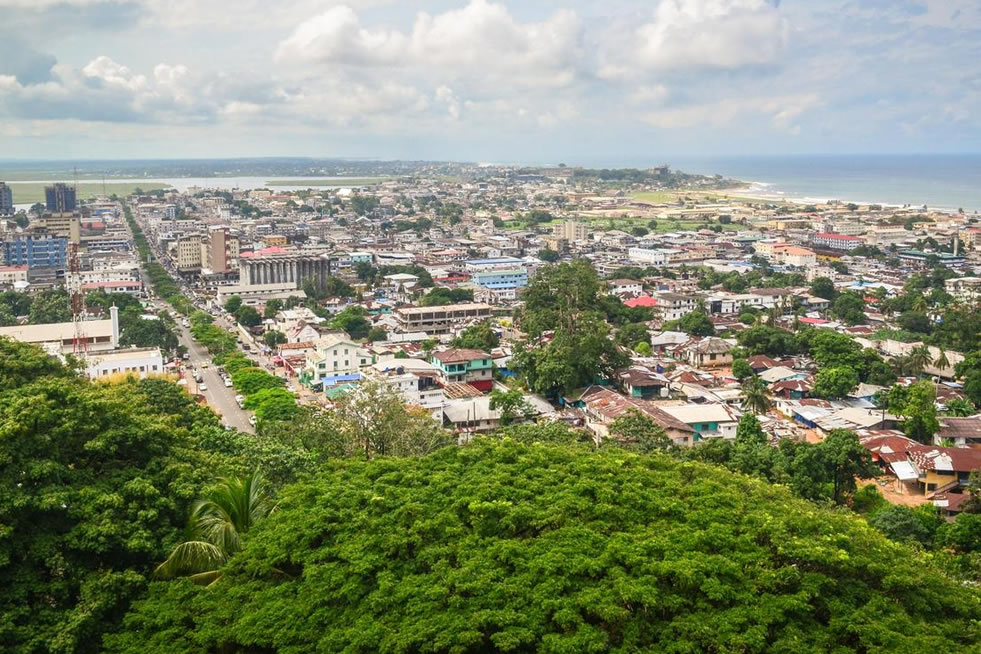
Tourism, a major component of President Joseph N. Boakai’s ARREST manifesto, could undoubtedly be a beacon of hope and cause a multiplier effect, bringing a myriad of opportunities including economic growth, infrastructural development, cultural exchange, poverty reduction, environmental conservation, skills development, increased investment, government revenue, community development, and global recognition. It is viewed as one of the potential financial parapets for the revival of Liberia’s ailing economy, which has been in the doldrums for the last several years.
Quite recently, tourism in Liberia has gained a lot of domestic and international attention, even though this concept predates the existence of Liberia. It is anticipated that if given the required support and attention, tourism could, without a doubt, garner additional dividends, including the development of domestic tourism—which has either been dormant, non-existent, or practiced on a very small scale. Furthermore, the number of inbound international tourists could rapidly increase and dramatically project Liberia’s image abroad, which has suffered consequentially as a result of several infamous events: the 14-year civil upheaval, Ebola, and COVID-19.
The House of Representatives of the Liberian Legislature recently passed a bill titled “An Act to Amend Title 30 Public Authorities Laws of the Liberian Code of Law Revised, Establishing in Lieu of the Liberian National Tourism Authority”, following recommendations contained in a report from the Joint Committee on Information, Broadcast, Culture and Tourism, Judiciary, and Internal Affairs.
We, on behalf of the members of the Tourism Cluster of COLED (Council of Liberian Experts in the Diaspora), welcome all Liberians at home and abroad—especially those who are passionate about fostering a new tourism regime—to join this initiative. Through collaboration with various tourism institutions, it is likely that all of the aforementioned goals can be accomplished.
According to a recent World Tourism Organization (WTO) report, tourism is a major source of foreign exchange in many countries, ranking second only to oil in world trade. International tourism receipts hit 1 trillion USD, international visitor spending reached 64% of pre-pandemic levels, Africa’s receipts reached 44 billion USD, and Liberia accounted for 12 million USD during the same period.
Even though Liberia currently faces several competing fiscal challenges, if these lofty tourism goals are to be achieved, the nation must judiciously encourage private sector investment and forge concerted partnerships with requisite stakeholders locally and internationally.
It would be a missed opportunity if Liberia did not consult with or employ the services of reputable existing Tourism Development Corporations (TDCs) and quasi-government agencies already involved with tourism development plans, proposals, and human resources, as well as the planning, training, and operations of tourism facilities. It is further suggested that government adopt a diversity of tourism cultures that could positively impact its program, including but not limited to policy, regulation, finance, licensing, resource management, superstructure/infrastructure, transportation, international treaties, roads, security, electricity, publishing information, human resources development, health care, and sanitation.
Generally, on a global scale, tourism is replete with knowledge, literature, ideas, and visions that could be used for the advancement of tourism in Liberia. Specifically for Liberia, there exists very little promotional information online regarding attractions such as surfing in Grand Cape Mount County, Kpatawee Waterfalls in Bong County, Sapo National Park in Sinoe County, Mount Nimba Resort in Nimba County, as well as the few hotels, guest houses, and beaches in Montserrado, Margibi, and Grand Bassa counties, and a few coastal communities.
A lot has to be done—particularly in the areas of education, research, and infrastructure—if the short-, medium-, and long-term goals of this cluster are to be achieved. There is also a need to adopt, without delay, provisional measures (short-term agenda items) that may permanently lead to the elevation of a tourism regime in Liberia. Even after assessing and adopting practices from other countries, there remains a need to develop a mosaic of ideas uniquely suited to Liberia’s tourism landscape.
We hope this resonates with everyone and look forward to receiving your full participation and contribution.
Critical Issues Affecting the Development of Tourism
-
The Current Status of Tourism in Liberia
• History of tourism in Liberia
• The New Tourism Act of 2013
• Tourism publications about Liberia
• Etc. -
Liberia’s Current Relationship with International Tourism Bodies
• UNWTO
• ICAO
• International tourism organizations
• World Travel and Tourism Council
• International Air Transport Association
• European Travel Commission
• U.S. Travel Association
• American Society of Travel Advisors
• Cruise Line International Association
• American Hotel and Lodging Association
• Etc. -
Anticipated Kinds of Tourism in Liberia
• Ecotourism
• Marine tourism
• Green tourism
• Blue tourism
• Religious tourism
• Agricultural tourism
• Culinary tourism
• Academic tourism
• Cultural tourism
• Business tourism
• Adventure tourism
• Medical tourism
• Beach tourism
• Geo-tourism
• Rural tourism
• Urban tourism
• Etc. -
Issues Affecting Tourism in Liberia
• Electricity
• Security
• Infrastructure
• Telecommunications
• Sanitation and hygiene
• Road network
• Education
• Increased temperature
• Adverse weather events
• Water shortages
• Etc. -
Tourism Goals in Liberia
• Short-term
• Medium-term
• Long-term
• Etc. -
Actions to Be Adopted
• Provisional
• Permanent
• Etc. -
Relationship Between the Ministry of Information, Cultural Affairs, and Tourism (MICAT) and the Council of Liberian Experts in the Diaspora (COLED)
-
Role of the Government
-
Role of the People
-
Tourism Research
-
Major Problems Facing Domestic Tourism
• Low levels of income among local people
• Lack of awareness
• Lack of promotion
• General economic instability
• Lack of information
• Etc. -
Major Problems Faced by International Tourists
• Entry formalities (visa)
• Safety and security
• Transportation
• Banking
• Etc.

Victor Dougba
Interm Chairman
Victor E. Dougba Sr.
Victor E. Dougba Sr. is a distinguished certified marine specialist with extensive experience in maritime governance, environmental management, and marine leadership. His career reflects deep expertise in integrating natural ecosystems with evolving human and economic priorities, particularly in shipping, marine tourism, fisheries, and coastal zone management.
He holds a Master’s degree in Marine Affairs (Multidisciplinary) from the University of Rhode Island, where he conducted advanced research in sustainable marine tourism, focusing on coastal tourism, environmental change, community resilience, and the blue economy. He also earned a Bachelor’s degree in Geography from the University of Liberia and a Certificate in Marine Surveying from the State University of New York.
Mr. Dougba is widely recognized for his leadership and contributions to maritime development through his extensive service with the Liberia Maritime Authority (LMA), where he held several senior positions with increasing responsibility.
He served as Deputy Commissioner for Vessel Registration (New York Office), where he led the administration of Liberian-registered vessels of 500 gross tons and above, ensuring compliance with international maritime regulations. He also served as Maritime Consul at the Liberian Consulate and Mission to the United Nations, representing Liberia’s maritime interests in global discussions on maritime law, shipping, and environmental protection.
In addition, Mr. Dougba held the role of Deputy Commissioner for Pleasure and Small Watercraft in Monrovia, Liberia, where he oversaw regulatory compliance for smaller vessels, ensuring adherence to maritime safety and environmental standards. As Deputy Commissioner for Technical Affairs, he directed the development and oversight of Liberia’s domestic and commercial fleet, including vessel registration, marine surveying, and compliance with marine pollution prevention standards.
In a senior leadership capacity as Director, Mr. Dougba played a pivotal role in advancing an integrated coastal zone management framework, promoting sustainable resource use and strengthening the protection of Liberia’s marine ecosystems.
Currently, Mr. Dougba is focused on advancing sustainable tourism development in Liberia, working to promote responsible and resilient coastal tourism practices aligned with environmental sustainability and economic growth.
He is known for his strategic approach to maritime governance, his expertise in marine policy and environmental stewardship, and his continued commitment to sustainable development and the responsible management of coastal and marine resources.